HOA Reserve Study
An HOA reserve study is a report that identifies the common areas an association must repair or replace, estimates their remaining life and replacement cost, and recommends how much to set aside each year. Boards use it to build a reserve funding plan so big repairs do not trigger sudden special assessments.
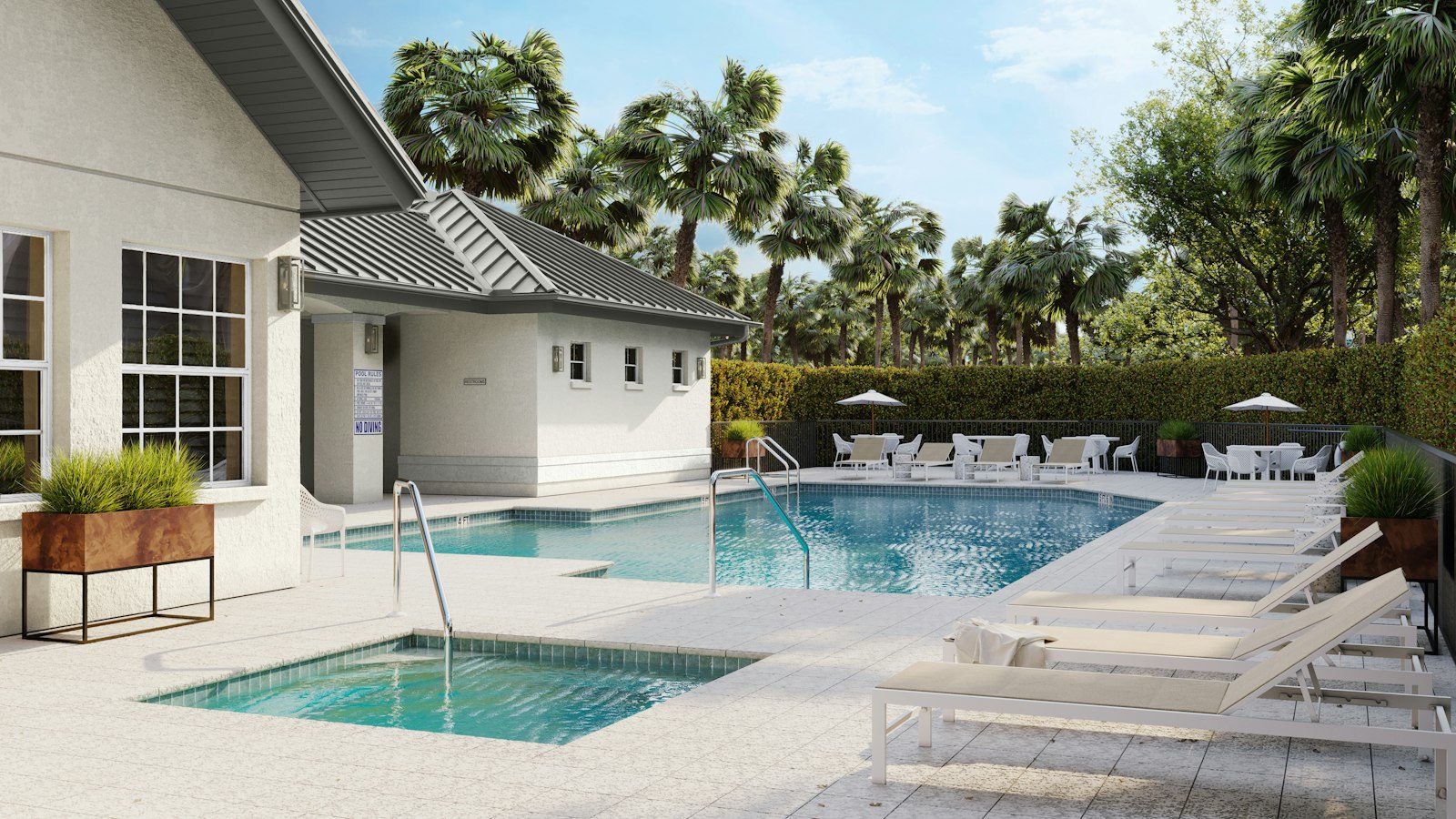
What a reserve study is
A reserve study is a long-range financial plan for the physical parts of a community: roofs, roads, pools, elevators, fencing, siding and similar components that wear out on a predictable cycle. It answers three questions: what will need replacing, when, and what will it cost. The result tells the board how much to put into the reserve fund so money is available when the work comes due.
Underfunded reserves tend to show up in two ways: deferred maintenance that makes problems worse, or a special assessment that arrives all at once. A reserve study does not eliminate either risk, but it gives the board, owners and prospective buyers a documented basis for decisions. Lenders and buyers often ask to see the latest study, and the study is a common part of resale and refinance reviews.
Typical parts of a study
Providers organize reports differently, but most include the following.
- A component inventory of the common elements the association maintains.
- Estimated useful life and remaining life for each component.
- Estimated replacement or repair cost.
- The current reserve balance.
- A funding plan with recommended annual contributions.
Types of studies
A full study usually involves a site inspection and builds the inventory from scratch. An update revises an earlier study after a review, with or without a new site visit. Providers describe these categories somewhat differently, so ask any provider to define what its report includes. Reserve specialists and engineers commonly prepare them, and boards should review the assumptions, especially inflation and interest rates, which can move the answer significantly.
What California and Michigan require
California's Davis-Stirling Act requires the board, at least once every three years, to have a reasonably competent and diligent visual inspection of the accessible areas of major components done as part of a reserve study, if the current replacement value of those components is at least half of the association's gross budget excluding reserves. The board must review the study annually. The study must identify components with less than 30 years of remaining life, estimate their remaining life and cost, estimate the total annual contribution needed after subtracting current reserves, and include a funding plan (Civil Code section 5550).
Michigan's Condominium Act states that associations of co-owners must maintain a reserve fund for major repairs and replacement of common elements and allows the administrator to set minimum standards by rule (MCL 559.205). The statute does not itself prescribe a reserve study schedule, so your bylaws and any adopted standards matter. In other states, requirements vary widely.
For how reserves relate to dues and special assessments, see APM's guide to HOA reserve funds. A study is a planning tool, not a guarantee, and costs can change faster than an estimate.
Boards should treat the report as a living document. Costs for labor and materials change, components can fail earlier or last longer than expected, and projects may be added or removed. Reviewing the plan each year, as California requires where its statute applies, keeps the numbers close to reality and lets the board adjust contributions in small steps.
Related
This entry is general information, not legal advice. Laws and governing documents vary; ask your association's attorney about your situation.
HOA Reserve Study: Common Questions
Need help managing your association?
Free, itemized proposal delivered within 3 business days.
Request a Free Proposal